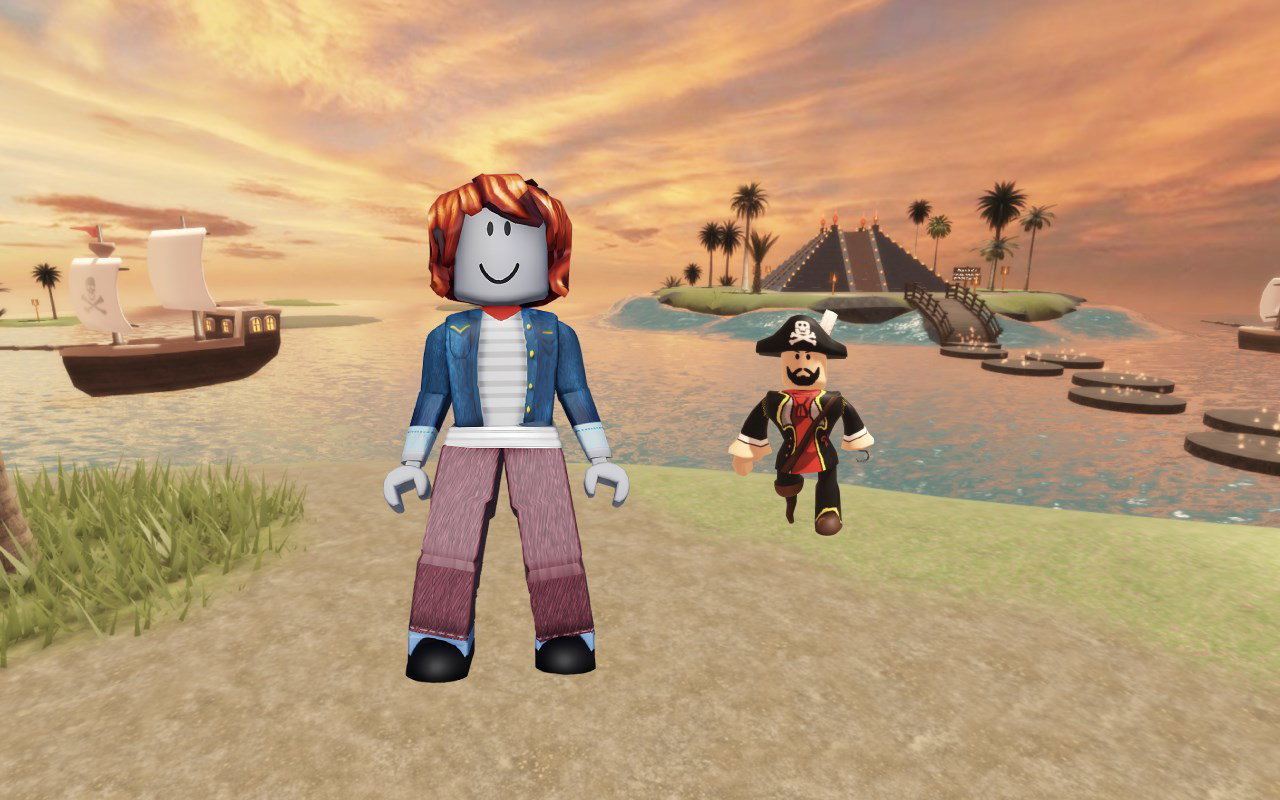
Have you ever spent Robux in a game and only realized it afterward? It happens more often than you think. Many Roblox games are designed in a way that makes spending feel natural instead of forced. Players are not tricked, but they are guided through experiences that make purchases feel like a normal part of gameplay. Understanding this can completely change how you see in game spending.
The Role of Convenience in Spending
One of the biggest reasons players spend Robux is convenience.
When a game offers a shortcut that saves time or effort, players often choose it without much thought. For example:
-
Skipping a difficult level
-
Unlocking faster movement
-
Accessing a shortcut
These options do not feel like unnecessary purchases. They feel like solutions.
Players are not just spending Robux. They are improving their experience.
Why Small Prices Lead to More Purchases
Pricing plays a huge role in spending behavior.
When items are priced low, usually between 5 and 50 Robux, players do not spend much time thinking about the decision.
It feels like a small upgrade rather than a major purchase.
Instead of waiting for one big purchase, players make multiple small ones over time. This creates steady spending without pressure.
Small pricing reduces hesitation and increases engagement.
The Power of Progression and Unlocks
Players love progression. When a game shows clear upgrades and unlockable features, it creates motivation.
For example:
-
Unlocking a new area
-
Gaining access to better tools
-
Reaching higher levels
When a purchase helps speed up or enhance progression, it feels valuable.
Players are not just buying something. They are moving forward faster.
This connection between spending and progress makes purchases feel natural.
How Visual Design Influences Decisions
Visual presentation matters more than most players realize.
Attractive buttons, clear options, and well designed interfaces make purchases easier.
If a purchase option looks clean and simple, players are more likely to interact with it.
On the other hand, confusing or cluttered designs reduce engagement.
Good design removes friction. When something is easy to understand, players are more likely to act.
The Impact of Limited Opportunities
Limited time offers or exclusive features can increase spending.
When players feel like they might miss something, they act faster.
For example:
-
Limited access to special items
-
Temporary bonuses
-
Exclusive areas
These situations create urgency.
Players do not want to miss out, so they make decisions quickly.
This is not about pressure. It is about timing and opportunity.
Why Social Influence Matters
Roblox is a social platform, and player behavior is often influenced by others.
When players see others using certain features or items, they become more interested.
For example:
-
Seeing another player with a special ability
-
Watching friends access exclusive areas
-
Noticing popular items in a game
This creates curiosity and motivation.
Players want to experience the same benefits.
Social influence makes spending feel normal instead of optional.
The Psychology of “Just a Small Upgrade”
Many purchases start with small decisions.
A player may think, it is just a small upgrade, so why not try it.
Once that first purchase happens, future decisions become easier.
This creates a pattern:
-
First purchase feels simple
-
Next purchase feels familiar
-
Spending becomes part of the experience
This is often called the first purchase effect.
It does not force players to spend, but it reduces hesitation.
How Smooth Gameplay Encourages Spending
A smooth and enjoyable game increases the chances of spending.
If players are having fun, they are more willing to invest in the experience.
On the other hand, if the game feels frustrating or broken, players avoid spending.
This means developers should focus on:
-
Stable performance
-
Clear progression
-
Balanced difficulty
When players enjoy the game, spending becomes a natural extension of that enjoyment.
Common Mistakes That Reduce Player Spending
Not all games succeed in encouraging spending. Some mistakes can reduce player interest.
-
High Pricing Too Early
Expensive options can push players away -
Poor Timing
Showing purchase options too soon can feel overwhelming -
Lack of Value
If players do not see benefits, they do not spend -
Confusing Design
Complicated interfaces reduce interaction -
Forcing Purchases
Players avoid games that feel too pushy
Avoiding these mistakes creates a better experience and increases natural spending.
How Developers Can Create Better Spending Experiences
Developers do not need complex systems to improve spending.
Simple improvements can make a big difference:
-
Offer small, useful upgrades
-
Introduce purchases after players understand the game
-
Keep pricing balanced
-
Focus on value instead of pressure
-
Improve overall game experience
These steps make spending feel like a choice, not a requirement.
Why Long Term Engagement Matters
Spending is not just about one moment. It is connected to long term engagement.
When players return regularly:
-
They explore more features
-
They become more invested
-
They are more likely to spend
A game that keeps players engaged over 30 to 60 days has a higher chance of generating consistent Robux.
Long term engagement builds trust and familiarity.
Conclusion
Players spend Robux without realizing it because the experience feels natural and rewarding. It is not about forcing decisions or creating pressure. It is about convenience, progression, and smart design. When a game provides value, players choose to invest in it. Small prices, smooth gameplay, and social influence all play a role in this process. When these elements work together, spending becomes a normal part of the player experience rather than a separate decision.